The Real Cost of Boat Ownership: A Complete Budget Guide
By BlueSleuth Team · August 1, 2026
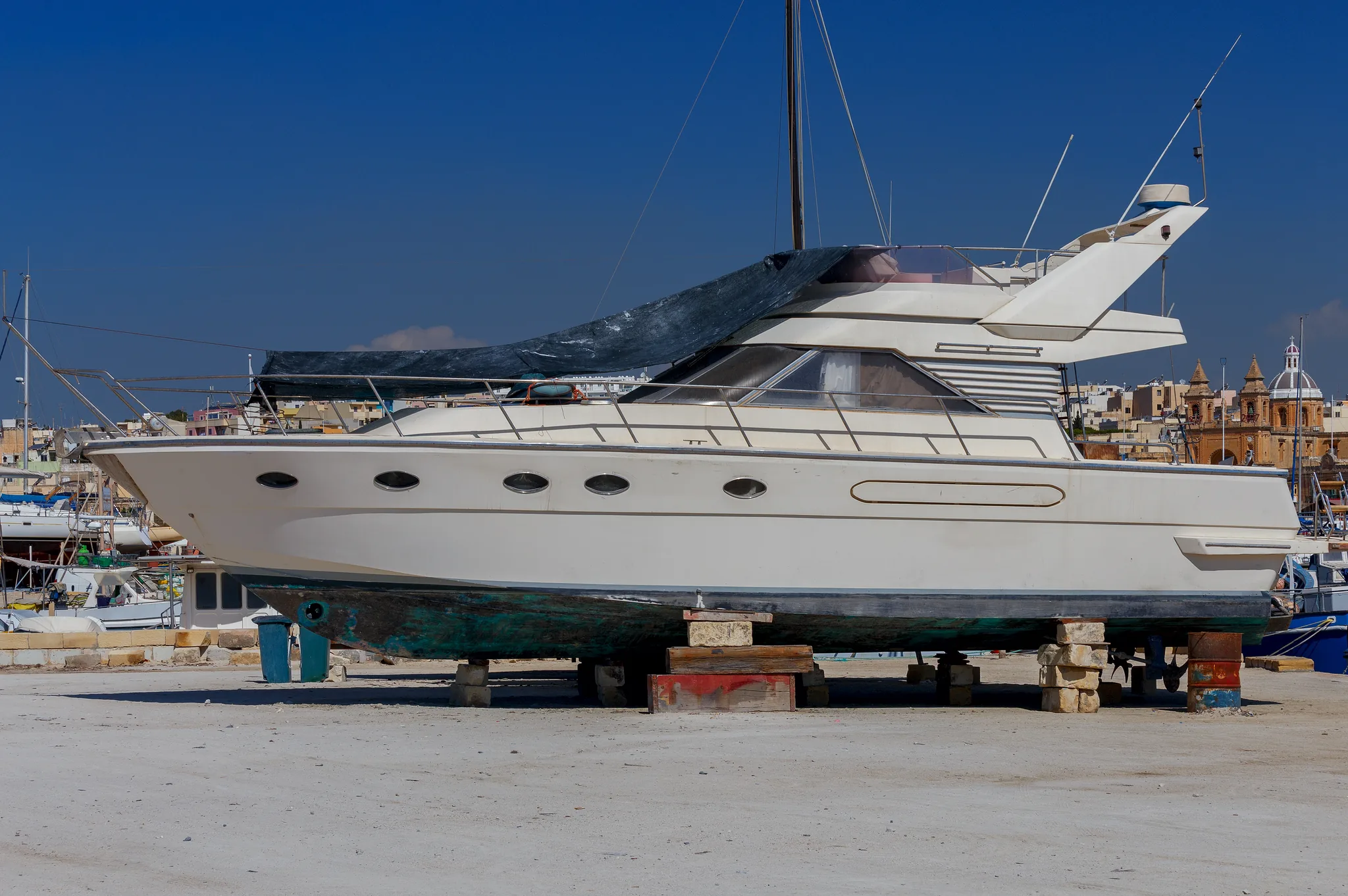
The purchase price is only the beginning of boat ownership. The recurring costs — storage, insurance, fuel, and maintenance — are what determine whether owning a boat feels like freedom or a burden. Budget for them honestly up front and you'll enjoy the boat far more. Here's a realistic breakdown.
The 10% rule of thumb
A widely used starting point: budget roughly 10% of your boat's value per year for maintenance and upkeep. So a $50,000 boat suggests about $5,000 a year. It's a rough guide, not a law — a simple runabout costs far less to keep than a twin-engine cruiser — but it keeps first-time buyers from underestimating.
Storage
Where the boat lives is often the biggest recurring cost. Options range from a driveway or your own trailer (cheapest) to dry-stack storage, a marina slip, or covered/indoor storage (most expensive). Monthly storage commonly runs anywhere from $50 to $300+, depending on region, boat size, and whether it's in or out of the water. In-water slips in premium locations run much higher.
Insurance
Boat insurance varies with the boat's value, type, your location, and your boating experience. Insurers typically require a recent survey for older boats. It's usually one of the more manageable line items, but get a quote before you buy — a high-performance boat or a liveaboard can cost more to insure than buyers expect.
Fuel
Fuel depends entirely on the boat and how you use it. A small outboard sipping fuel on a lake is a minor expense; a large cruiser or a fast offshore boat can burn through fuel quickly. Estimate honestly based on your engine size and typical outings.
Maintenance and seasonal costs
Routine upkeep adds up across the year: oil changes and tune-ups, cleaning and detailing, bottom paint (for boats kept in the water), and replacing wear items like batteries, belts, and impellers. In colder climates, winterization and spring commissioning are annual costs — winterizing often runs a few hundred dollars if done professionally. Setting aside a maintenance reserve each month smooths out the surprises.
The costs people forget Registration and taxes — annual registration, and in some places a personal-property or use tax. Safety and required gear — life jackets, fire extinguishers, flares (which expire), and electronics. Trailer upkeep — bearings, tires, and lights if you trailer the boat. Depreciation — not a cash cost, but real if you plan to sell. Well-maintained boats hold value better; see new vs. used. How to keep costs down
Buy the right size for your actual needs (bigger costs more in every category), keep up with maintenance so small issues don't become big ones, learn to handle basic upkeep yourself, and store the boat sensibly for your climate. A used boat also sidesteps the steepest early depreciation — one reason many buyers start there. See how to buy a used boat.
The bottom line
Owning a boat is very affordable when you plan for the full picture and painful when you only budget for the purchase. Add up storage, insurance, fuel, and maintenance for the specific boat you want before you buy, and you'll know exactly what you're signing up for. When you're ready, browse listings.